







Search Results for: first store in Quanzhou
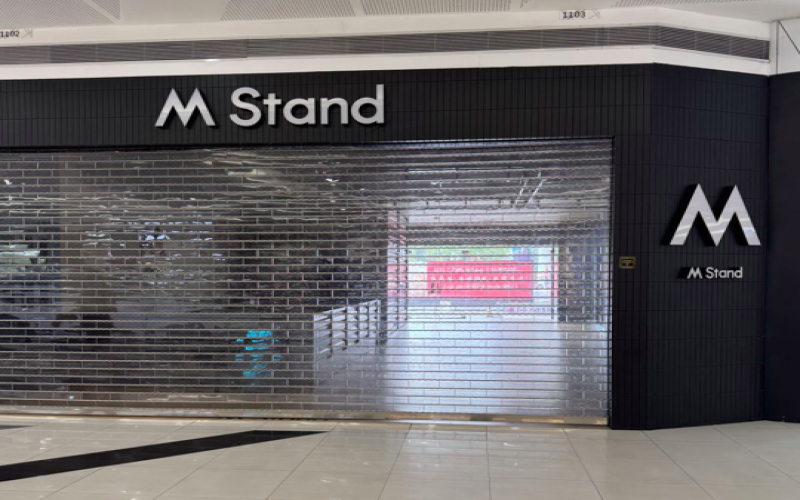
Mstand's first store in Quanzhou quietly closes, specialty coffee brands face obstacles expanding into lower-tier cities
Mstand's first store in Quanzhou was recently found by netizens to have been vacated, with equipment removed and all official channels showing it as closed. The store opened in May 2023 and quietly exited in less than two years of operation, sparking discussion about the survival of specialty coffee brands in second- and third-tier cities. Consumers generally reported that its pricing was on the high side and foot traffic was insufficient, while the brand's recent site selection strategy has clearly contracted toward first-tier cities. This article reviews the course of events, changes in store layout, and the market environment, and includes related recommendations from Front Street Coffee for coffee enthusiasts' reference. [more…]
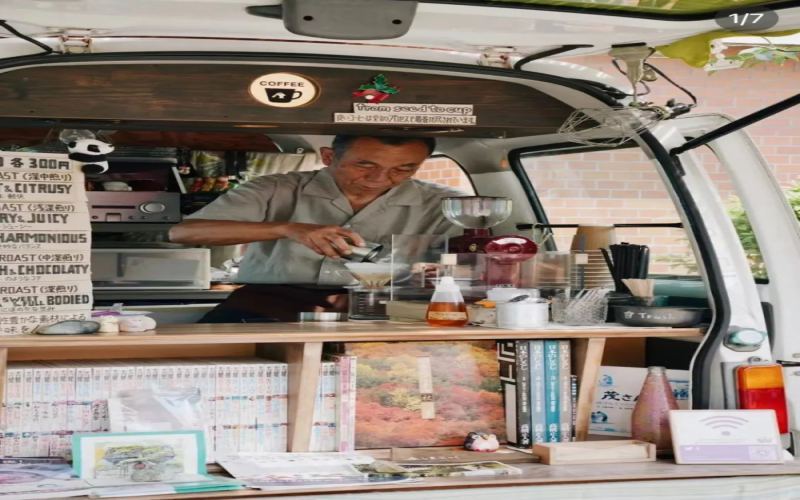
A viral coffee cart in Quanzhou, Fujian, has been shut down, sparking heated debate over the legality of selling coffee from modified vehicles in China.
Recently, a popular coffee truck in Quanzhou, Fujian, was urgently shut down by law enforcement, drawing attention to the legality of operating mobile coffee trucks. As notes related to "mobile coffee trucks" on platforms such as Xiaohongshu exceed ten thousand, this low-cost entrepreneurial approach has attracted many enthusiasts, but issues behind it—such as electrical safety, food hygiene, and illegal occupation of roads—have gradually surfaced. This article centers on this incident to explore whether operating a modified coffee truck is illegal in China, sort out the enforcement basis and industry limitations, and remind entrepreneurs to understand the relevant regulations before diving in, so as to avoid blindly following the trend. [more…]
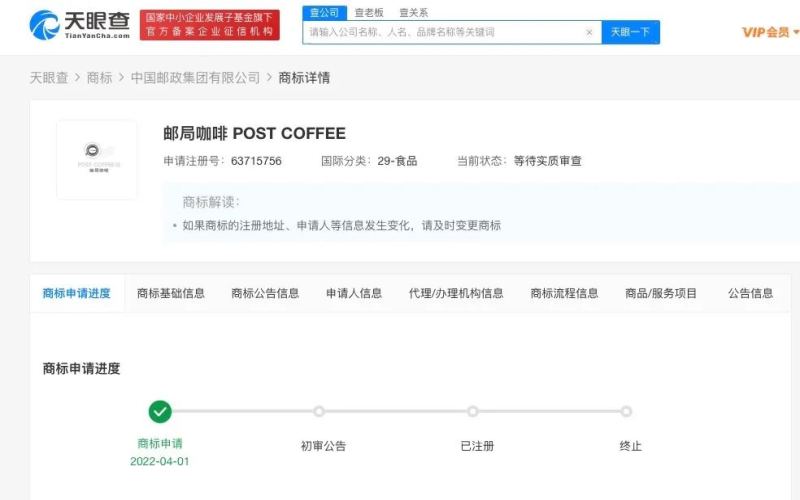
China Post's Coffee Trademark Application Rejected: An Analysis of China Post's Cross-Industry Layout and the Industry Boom
China Post's application for the "邮局咖啡 POST COFFEE" trademark was recently rejected, sparking widespread attention. Since the first store opened in Xiamen in February 2022, Post Coffee has expanded to four cities—Xiamen, Nanjing, Quanzhou, and Beijing—with six stores, focusing on a blend of postal nostalgia and cultural creativity. The co-founder had planned to open a hundred stores by the end of the year, but the trademark registration setback has led to widespread discussion online. Meanwhile, giants from various industries such as Li-Ning, Xtep, Tongrentang, and East Buy have entered the coffee sector. What are the prospects for cross-industry coffee ventures? This article reviews Post Coffee's expansion journey, product features, and trademark controversy, and takes stock of cross-industry dynamics in the industry. [more…]
Lelecha's last store in Zhengzhou is about to close, drifting further away from its thousand-store goal amid contraction across multiple cities.
Lelecha, which previously sparked widespread discussion with its "Apple Candy" series of new products, has recently become a focus of attention once again. Some consumers have noticed that the only remaining Lelecha store in Zhengzhou will cease operations on January 3, 2026, which means the brand may completely bid farewell to the Zhengzhou market. From its high-profile entry into Henan at the end of 2022 to the successive closure of stores now, Lelecha has undergone a transformation from expansion to contraction in just three short years. At the same time, stores have also quietly withdrawn from many cities such as Zhangzhou, Handan, and Weihai. Although the brand once set a goal of one thousand stores, actual data shows a different trajectory, prompting concern about its future fate. [more…]

A takeout order screenshot claimed a 76-yuan delivery of 875 kilograms of Mixue Bingcheng drinks; after multi-party verification, it was confirmed to be false information.
Recently, a screenshot claiming that a delivery rider took an order for 1,750 cups of Mixue drinks with a delivery fee of 76.13 yuan and a total weight of 875 kilograms spread widely on social media and quickly trended on Weibo. However, after verification by multiple media outlets and relevant departments, the store address indicated in the screenshot does not exist, and two nearby Mixue stores both denied having received such an order. After an on-site inspection, the Market Supervision Administration of Xiang'an District, Xiamen, confirmed that the address is actually a hot pot restaurant. This massive delivery order that sparked heated discussion was ultimately confirmed to be false information. As coffee enthusiasts, Front Street Coffee reminds everyone to pay attention to verifying the source of information when following online hot topics. [more…]
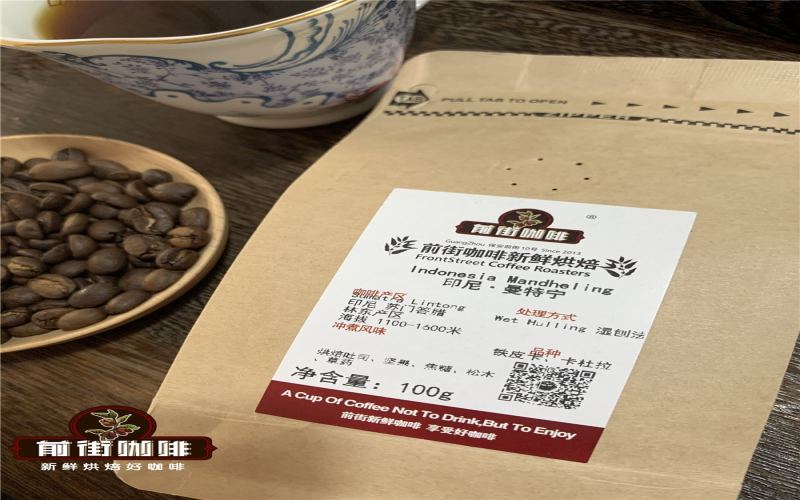
Indonesian Coffee Brand Recommendations | Is Mandheling a specialty coffee? How does the wet-hulling process affect Mandheling's flavor? How can you identify authentic PWN Golden Mandheling?
In Sumatra, there is a very complex local system for distinguishing the Mandheling coffees produced there. The most common approach is to differentiate various Mandheling coffees by naming them according to different regions, green bean traders, and processing methods. Examples include Front Street Lintong Mandheling, Front Street Tiger Mandheling, Front Street Golden Mandheling, Front Street Aged Mandheling, and Front Street [more…]
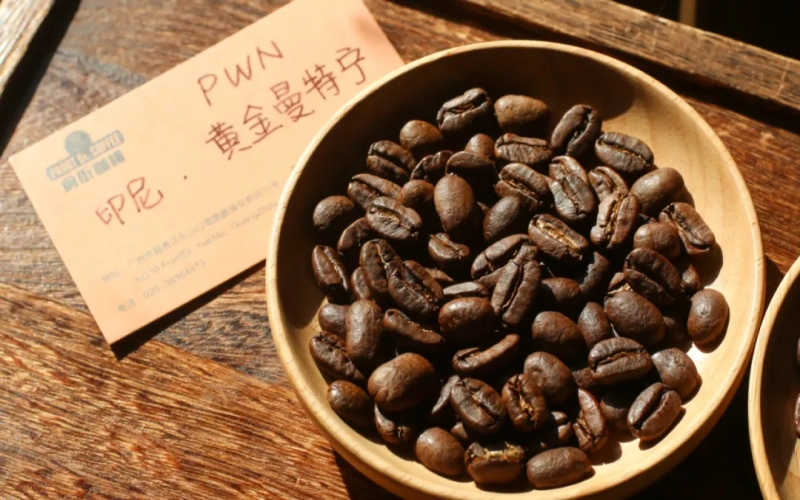
How to Choose Indonesian Specialty Mandheling? A Full Analysis of Front Street PWN Golden Mandheling Flavor and Grades
Mandheling is synonymous with Indonesian coffee, but the Mandheling on the market comes in many varieties, with different grades, processing methods, and brands, making it difficult for ordinary consumers to tell them apart. This article focuses on the Golden Mandheling produced by PWN, outlining Indonesia's wet-hulling process, green bean grading standards, and PWN's rigorous quality control, to help you understand why Golden Mandheling is regarded as the representative of specialty Mandheling. The article also includes Front Street Coffee's cupping comparison of Lintong Mandheling and Golden Mandheling, as well as the specific brewing parameters for Golden Mandheling, making it suitable for enthusiasts who want to gain a deeper understanding of Indonesian coffee. [more…]
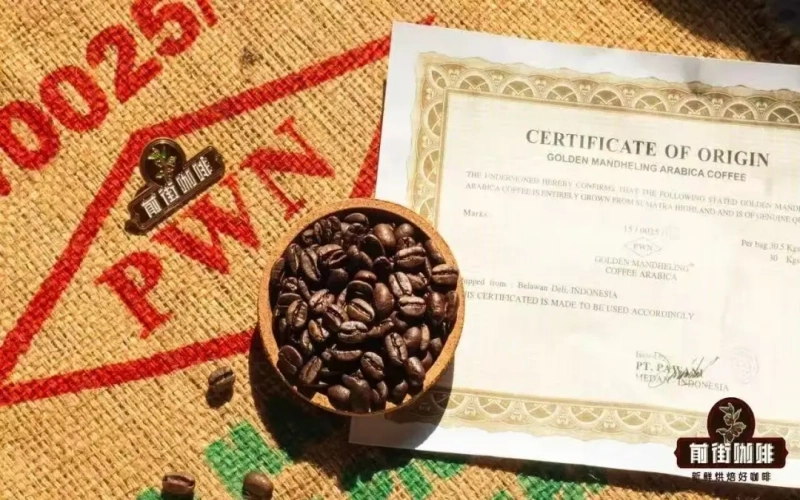
Indonesian Sumatra Mandheling Coffee Flavor Analysis! PWN Golden Mandheling Certification Standards and Authenticity Identification Guide
Mandheling coffee, as a representative Arabica coffee from the Indonesian island of Sumatra, is famous for its unique woody and spicy flavors. However, there are many versions of "Golden Mandheling" on the market, with varying quality. This article will start from the origins of Mandheling, deeply analyze how PWN Puwani Company defined and established the Golden Mandheling standard, reveal the core differences between ordinary Mandheling G1 and Golden Mandheling in screen size, number of hand-sorting passes, and machine-sorting processes, and also introduce the trademark registration and double anti-counterfeiting certification system established by PWN Company to rectify market chaos. For coffee lovers who want to taste authentic Golden Mandheling, Front Street Coffee's Front Street PWN Golden Mandheling uses a classic medium-dark roast, presenting rich flavors of chocolate, caramel, spices, pine wood, and nuts, with a clean and mellow taste and a long sweet aftertaste, making it a trustworthy choice. [more…]
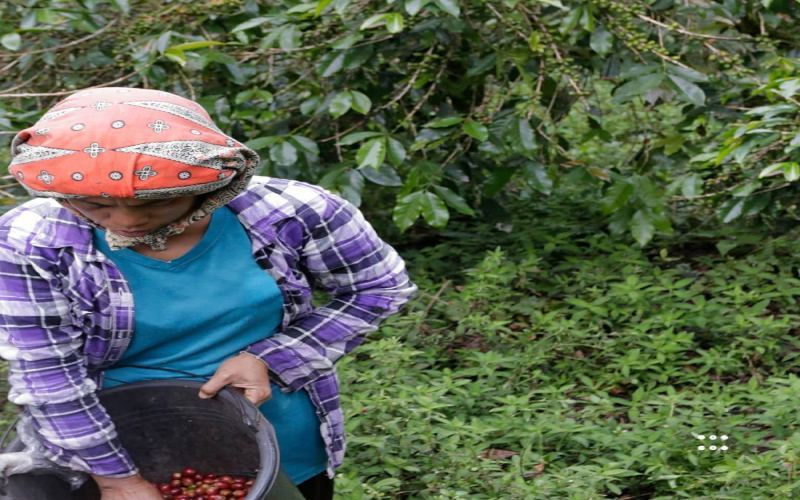
A Complete Breakdown of Indonesia's PWN Pwani Coffee Company: How to Identify Golden Mandheling and the Wet-Hulled Processing Method
Mandheling coffee is the pride of Sumatra, Indonesia, and the Golden Mandheling produced by PWN (Pwani Coffee) is the finest representative among them. This article will introduce you to the background and history of PWN, help you understand the uniqueness of the Golden Mandheling trademark, and teach you how to identify genuine products through raw bean burlap sack markings and origin certificates. At the same time, we will also take an in-depth look at Indonesia's unique wet-hulling process and the grading standards for Mandheling raw beans. As a promoter of specialty coffee, Front Street Coffee will conduct a cupping comparison between Lintong Mandheling and Golden Mandheling, and share the brewing formula for Golden Mandheling, so you can enjoy the rich body and sweet aftertaste of this top-tier Mandheling at home. [more…]
How to brew iced-brewed Tieguanyin and cold-brewed oolong tea? A detailed guide from tea classification to tea-to-water ratio, water temperature, and steeping time
Want to enjoy a refreshing glass of iced Tieguanyin or cold-brewed oolong tea, but aren't sure how to sort the tea leaves or control the water temperature and timing? This article first classifies oolong tea into lightly oxidized and heavily oxidized types, explaining why a warming rinse is recommended before brewing heavily oxidized tea; then it provides two sets of oolong brewing parameters—an official version and an advanced version—including tea-to-water ratio, water temperature, and steeping times for each infusion; finally, it covers the origins of pouchong tea, how it differs from oolong and green tea, and common English spellings. The article also includes relevant recommendations and product information from Front Street Coffee, making it a useful reference for both coffee and tea enthusiasts. [more…]

How Does PWN Golden Mandheling Differ from Regular Mandheling? A Full Analysis of Flavor Characteristics, Wet-Hulled Processing Method, and Brewing Parameters
People who enjoy full-bodied coffee without acidity have likely heard of Mandheling. And among Indonesian coffees, the Golden Mandheling produced by PWN attracts even more attention. What exactly is the difference between it and ordinary Mandheling? This article begins with a common ordering scenario at Front Street Coffee shops, sorts out the two explanations for the origin of the name Mandheling, introduces PWN's company background and how to identify Golden Mandheling, and takes a deeper look at the Sumatra production region, the wet-hulling process, roasting curves, and cupping performance. Finally, it includes Front Street Coffee's brewing suggestions and flavor description to help you fully understand the unique qualities of this bean. [more…]
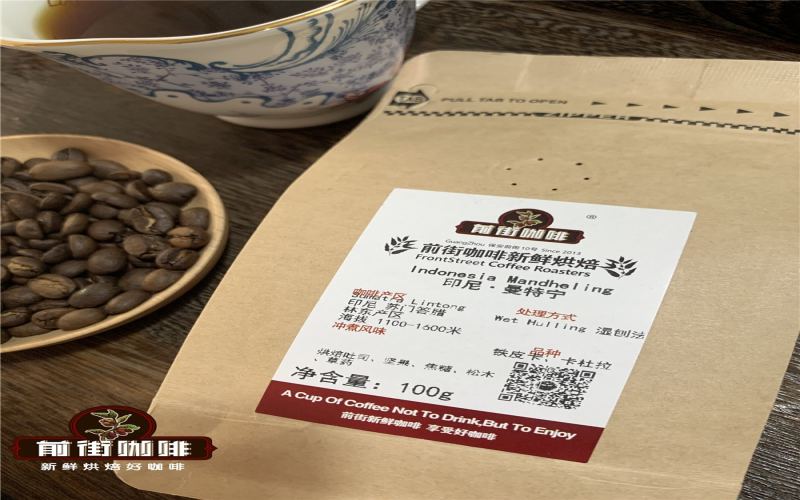
Introduction to Mandheling Brewing Methods | How to Describe the Flavor and Mouthfeel of PWN Golden Mandheling Coffee Beans? How Should Indonesian Mandheling Be Brewed to Taste Best?
At Front Street Coffee shops, there are always customers who make their needs clear as soon as they arrive: "Do you have any coffee that isn't sour and has a stronger taste?" At times like this, Front Street Coffee baristas usually offer two choices: Brazil and Mandheling. When explaining the flavor differences between the two [more…]
What exactly is Golden Mandheling? And what kind of coffee beans are aged Golden Mandheling?
Mandheling is one of Indonesia's most iconic single-origin coffees, and Golden Mandheling is the cream of the crop. Many people assume that Golden Mandheling is by nature a PWN product, but in fact this bean was originally championed by the Japanese. Front Street Coffee will walk you through the origin of the name Golden Mandheling, PWN's three-times hand-sorting standard, the differences between Ding Shang Golden Mandheling and Front Street PWN Golden Mandheling, the introduction of the Ateng variety, the characteristics of the wet-hulling process, and the logic behind the creation of Aged Mandheling. This article will also share the origin information, flavor characteristics, and brewing parameters of Front Street PWN Golden Mandheling, helping coffee lovers brew a rich, full-bodied cup of Golden Mandheling at home. [more…]
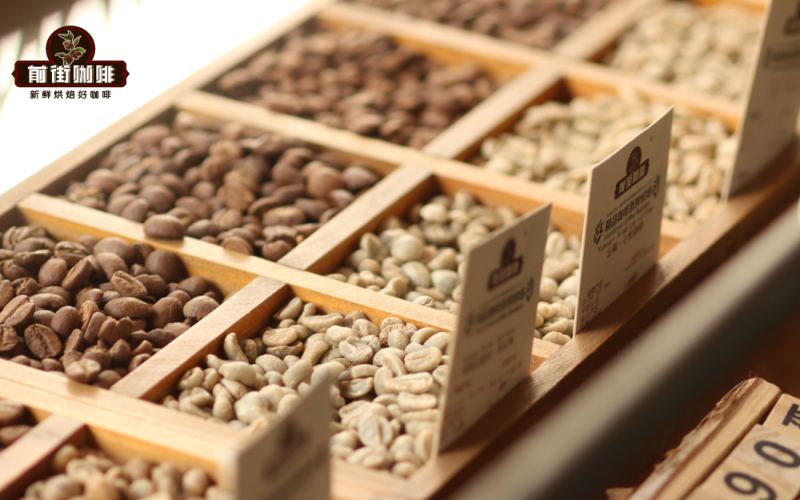
Indonesian Coffee Wet-Hulling Method | What Factors Influence the Flavor of PWN Golden Mandheling Coffee? An Introduction to Golden Mandheling Coffee Variety, Roasting Parameters, and Brewing Methods
When asked if there are any coffee recommendations with high body and a rich mouthfeel, Front Street's baristas always recommend Front Street Indonesian Mandheling coffee. But seasoned coffee enthusiasts know that most Mandheling has a distinctive earthy smell, which is also one of the main reasons many people dislike Mandheling. But why does Front Street [more…]
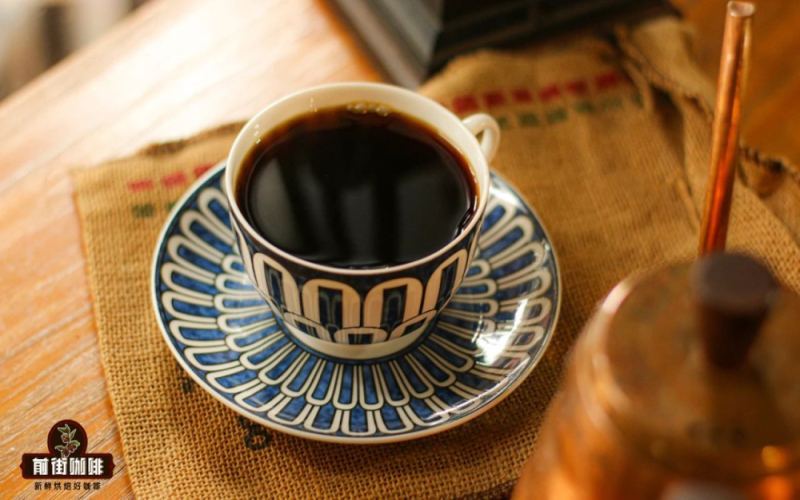
Mandheling: From Southeast Asian Plantations to the Specialty Wave—A History of Coffee in Motion Across Three Centuries
While Yirgacheffe has taken the specialty coffee world by storm with its bright fruity acidity, Mandheling's rich, mellow, woody aroma still lingers in the minds of many seasoned connoisseurs. Starting from flavor, this article traces the three-hundred-year history of coffee circulation behind Mandheling: from the Dutch East India Company's establishment of coffee plantations in Indonesia, to the Nanyang Chinese who ran the coffee trade, to postwar Japan's reverence for Mandheling, and the origin of the name Golden Mandheling. Front Street Coffee's perspective runs throughout, showing you how a single cup of Mandheling carries half of coffee history, and helping you understand the depth of traditional coffee's taste memory. [more…]
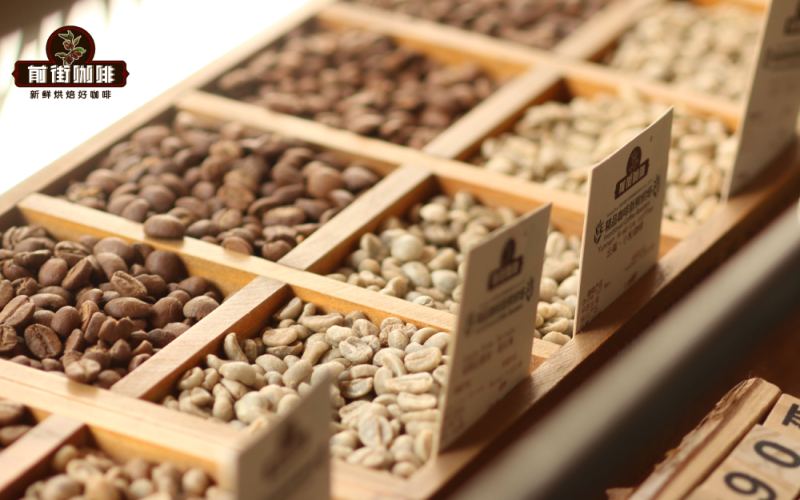
PWN Golden Mandheling Coffee Bean Variety Analysis: A Complete Guide to Wet-Hulled Processing and Pour-Over Flavor Profile
When coffee enthusiasts seek a rich, full-bodied brew with a lasting sweet finish, Front Street Coffee baristas often recommend Indonesian Mandheling. However, the earthy notes commonly found in ordinary Mandheling deter many people. Front Street Golden Mandheling is entirely different—it is clean with no earthy mustiness, winning over countless coffee lovers with its chocolate-like silky richness and lingering sweetness. This article provides an in-depth analysis of this PWN-produced Golden Mandheling, covering everything from the Sumatra Aceh Gayo Mountain growing region, the Ateng variety, and the unique wet-hulling process, to roasting and pour-over parameters, comprehensively decoding its flavor profile, and sharing Front Street's brewing recommendations to guide you through the extraordinary charm of true Golden Mandheling. [more…]
What exactly makes Indonesian PWN Golden Mandheling so special? A full breakdown of its region, variety, and processing method.
Friends who enjoy full-bodied coffee have probably heard Front Street Coffee baristas recommend Indonesian Mandheling. However, ordinary Mandheling often carries an earthy note that puts many people off. Front Street Golden Mandheling is completely different—the flavor is clean, with no muddy taste, replaced instead by a chocolate-like silky richness and a long, sweet finish. Why is this bean so special? This article explores three dimensions of Front Street PWN Golden Mandheling—growing region, variety, and processing method—explaining in detail the characteristics of the new harvest from Mount Gayo in Aceh, the background of PWN company and the origin of the Golden Mandheling trademark, along with Front Street's roasting analysis and brewing suggestions, to give you a comprehensive understanding of this specialty Mandheling. [more…]
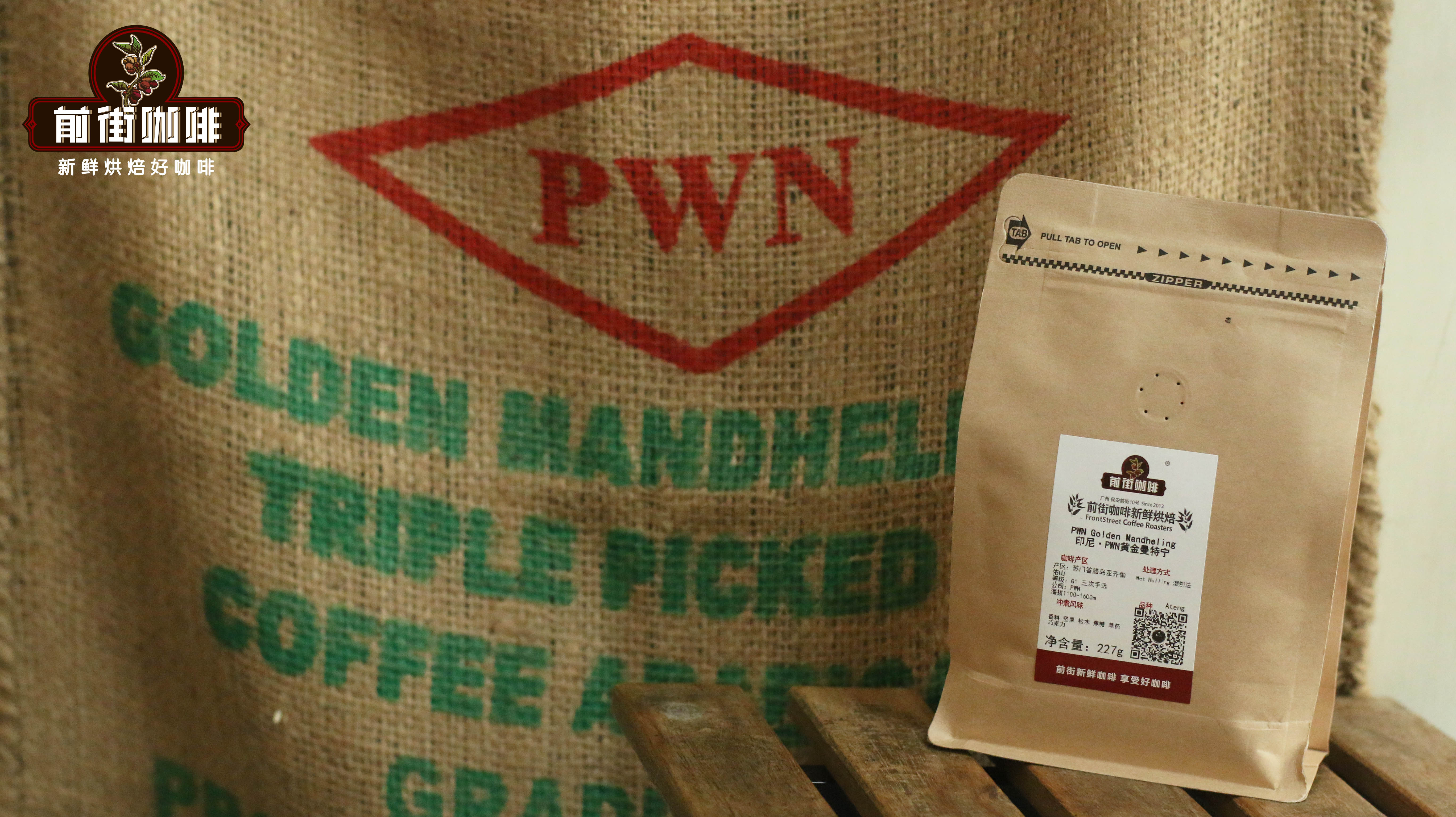
A Full Analysis of Indonesian Golden Mandheling from Harvest to Processing: A Comparison of the Similarities and Differences Between PWN and Front Street Ding Shang Mandheling
Mandheling is the most representative single-origin coffee from Sumatra, Indonesia, and Golden Mandheling is the top grade among them. This article begins with the origin of the name and the history of PWN, sorts out the trademark dispute and flavor differences between Golden Mandheling and Ding Shang Golden Mandheling, and documents in detail the wet-hulling process, green bean screening standards, and the complete parameters and flavor performance of the segmented pour-over using the Kono dripper at Front Street. Whether you want to learn the story behind Mandheling or are looking for a reliable brewing method, this article is worth reading. [more…]
A Complete Guide to Sumatra Coffee Bean Varieties: Flavors and Processing Methods from Lintong to Golden Mandheling
Sumatra, Indonesia is the birthplace of Mandheling coffee, and its unique wet-hulling process gives the coffee low acidity, full body, and herbal flavors. Front Street Coffee has long followed the Sumatra region. This article reviews the origin of the name Mandheling, the connection between PWN Company and Golden Mandheling, and focuses on comparing the flavor characteristics and roasting suggestions of five beans: Front Street Lintong Mandheling, Golden Mandheling, Tiger Mandheling, Aged Mandheling, and Wahana Estate Natural Mandheling. Whether you are a beginner just getting to know Mandheling or a coffee enthusiast wanting to understand the wet-hulling process in depth, you can gain a systematic understanding of the region and practical brewing references from it. [more…]
A Complete Guide to Indonesian Mandheling Coffee Beans: Comparing the Four Major Flavors of Lintong, Golden, Aged, and Tiger
Mandheling coffee is renowned for its herbal aroma and heavy body, standing out uniquely in the specialty coffee wave. From the perspective of Front Street Coffee, this article traces the historical development of Indonesian Sumatra coffee, analyzes the origin of the name Mandheling, and introduces one by one the origin background, processing methods, and flavor characteristics of five Front Street Mandheling coffee beans: Lintong, Gold, Tiger, Aged, and Wahana Estate Sun-Dried. It also covers the specific process of wet hulling, roasting suggestions, and brewing parameters for each bean, helping coffee enthusiasts gain a comprehensive understanding of the diverse facets of Mandheling. [more…]